
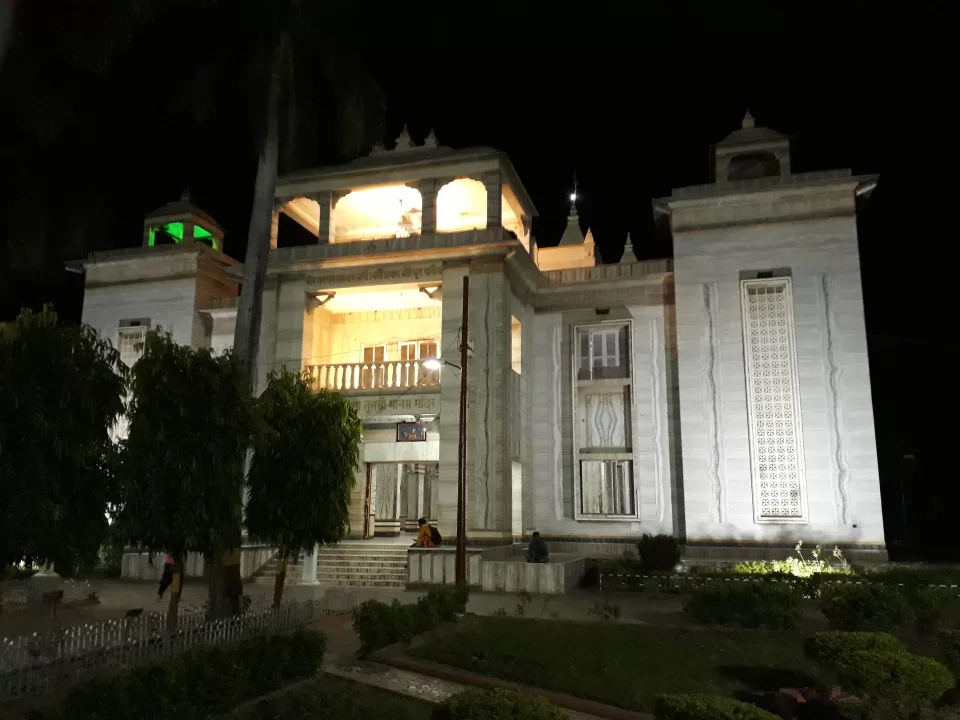
Overview
- Primary deity
- Ram
- Location
- Varanasi, Uttar Pradesh
Temple gallery
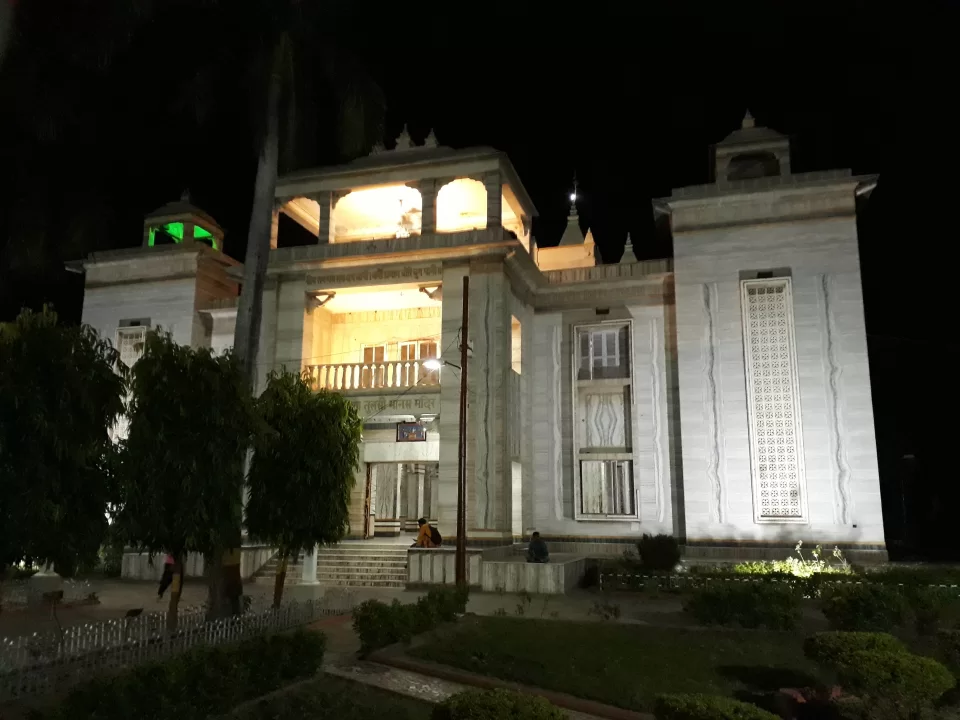
Temple summary
Tulsi Manas Temple, also known as Tulsi Manas Mandir, is a prominent Ram temple in Varanasi. It is particularly valued for its association with Goswami Tulsidas and the Ramcharitmanas, the celebrated retelling of the Ramayana in Awadhi. Passages from the sacred work are displayed on the temple walls, making the visit both a devotional and literary experience.
History
The Varanasi district administration associates the temple site with Goswami Tulsidas and the composition of the Ramcharitmanas in the sixteenth century. The present temple is a modern structure, not a surviving building from the poet’s lifetime. Visitors should distinguish the traditional association of the place with Tulsidas from the date of the present construction. The temple commemorates the continuing importance of the Ramcharitmanas in the devotional culture of north India. Its wall inscriptions help visitors encounter passages of the work in a setting dedicated to Lord Ram.
Sacred tradition
The Ramcharitmanas narrates the story of Lord Ram through the devotional poetry of Goswami Tulsidas. In many north Indian households and temples, its verses are recited as part of daily worship, religious festivals and community gatherings. At Tulsi Manas Temple, the connection is especially visible through inscriptions from the text. Devotees may read these passages as an act of remembrance and devotion. The temple’s association with the composition of the work is part of local religious tradition; it should not be treated as independently documented proof of the precise spot where each verse was written.
Significance
Tulsi Manas Temple honours Lord Ram while foregrounding the literary and devotional influence of Tulsidas. The Ramcharitmanas made the Ram story accessible to generations of Awadhi and Hindi-speaking devotees, and the temple offers a tangible introduction to that heritage. Unlike shrines chiefly visited for an ancient sanctum or a particular ritual, this temple is also rewarding for visitors interested in sacred literature and the relationship between language, poetry and worship. Read the inscriptions slowly and respectfully; they are central to the experience.
Architecture
The temple is noted for its light-coloured stone appearance and the inscribed passages from the Ramcharitmanas displayed on its walls. These inscriptions are a defining architectural and interpretive feature rather than incidental decoration. Visitors should focus on the readable panels and the relationship between the building and the text it commemorates. No unsupported dimensions, precise stone provenance or unverified architectural attribution are asserted here.
Temple timings and darshan
Tulsi Manas Temple is a devotional and heritage stop in Varanasi, especially suitable for visitors interested in Lord Ram and the Ramcharitmanas. Allow time to read the inscribed verses rather than treating it only as a quick photo stop. The temple is commonly visited alongside other southern Varanasi sites, including the Durga Kund area. Confirm current opening hours, photography restrictions and any festival changes locally before travelling; do not assume that an online schedule guarantees access.
Travel guide
Where it is
Tulsi Manas Temple is in the Durga Kund–Sankat Mochan area of Varanasi. Ask for Tulsi Manas Mandir to avoid confusion with other Ram temples.
From Varanasi Junction
Continue by taxi, auto-rickshaw or other local transport towards Durga Kund. Journey times depend on traffic and local restrictions.
From the airport
Lal Bahadur Shastri International Airport serves Varanasi. Travel by road towards the Durga Kund area; allow extra time during peak traffic.
Nearby pilgrimage
Durga Kund and Sankat Mochan Hanuman Temple are commonly combined with this area. Check each temple’s separate access rules and hours.
Planning your visit
Read the Ramcharitmanas inscriptions on the walls. Confirm current opening hours and festival arrangements before departure.