चालीसा · Shiva
Shiva Chalisa
Shiva Chalisa is a forty-chaupai Hindi devotional hymn traditionally attributed to Ayodhya Das, praising Shiva's form, grace, protective power and major devotional narratives.
भक्ति पाठ
दोहा
श्री गणेश गिरिजा सुवन, मंगल मूल सुजान। कहत अयोध्यादास तुम, देहु अभय वरदान॥
लिप्यंतरणśrī gaṇeśa girijā suvana, maṅgala mūla sujāna | kahata ayodhyādāsa tuma, dehu abhaya varadāna ||
अर्थAyodhya Das invokes Ganesha, son of Girija, as the source of auspiciousness and asks for the boon of fearlessness.
चौपाई 1
जय गिरिजा पति दीन दयाला। सदा करत सन्तन प्रतिपाला॥
लिप्यंतरणjaya girijā pati dīna dayālā | sadā karata santana pratipālā ||
अर्थVictory to Shiva, compassionate Lord of Girija, who continually protects saints and devotees.
चौपाई 2
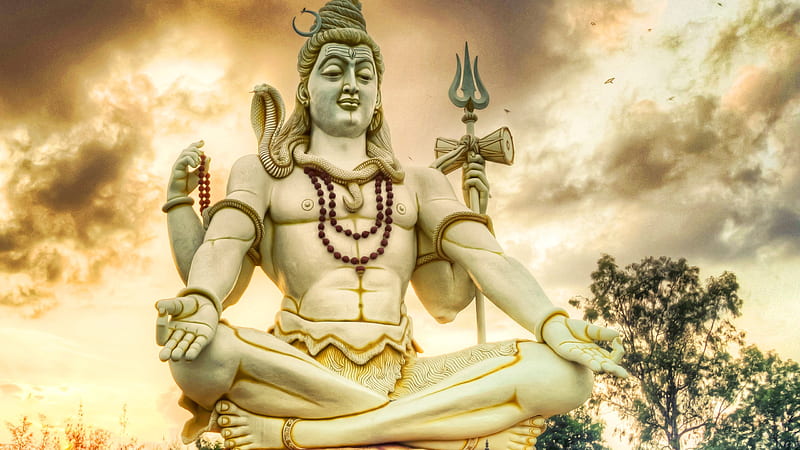
भाल चन्द्रमा सोहत नीके। कानन कुण्डल नागफनी के॥
लिप्यंतरणbhāla candramā sohata nīke | kānana kuṇḍala nāgaphanī ke ||
अर्थThe crescent moon shines upon Shiva's forehead, while serpent-hood ornaments adorn his ears.
चौपाई 3
अंग गौर शिर गंग बहाये। मुण्डमाल तन छार लगाये॥
लिप्यंतरणaṅga gaura śira gaṅga bahāye | muṇḍamāla tana chāra lagāye ||
अर्थHis fair body bears sacred ash, the Ganga flows from his head, and he wears a garland of skulls.
चौपाई 4
वस्त्र खाल बघम्बर सोहे। छवि को देख नाग मन मोहे॥
लिप्यंतरणvastra khāla baghambara sohe | chavi ko dekha nāga mana mohe ||
अर्थHe is adorned in a tiger-skin garment; his striking form captivates even the serpent beings.
चौपाई 5
मैना मातु की हवै दुलारी। बाम अंग सोहत छवि न्यारी॥
लिप्यंतरणmainā mātu kī havai dulārī | bāma aṅga sohata chavi nyārī ||
अर्थParvati, cherished daughter of Maina, shines beautifully at Shiva's left side.
चौपाई 6
कर त्रिशूल सोहत छवि भारी। करत सदा शत्रुन क्षयकारी॥
लिप्यंतरणkara triśūla sohata chavi bhārī | karata sadā śatruna kṣayakārī ||
अर्थThe trident in Shiva's hand appears majestic and symbolizes the destruction of hostile forces.
चौपाई 7
नंदी गणेश सोहैं तहं कैसे। सागर मध्य कमल हैं जैसे॥
लिप्यंतरणnandī gaṇeśa sohaiṃ tahaṃ kaise | sāgara madhya kamala haiṃ jaise ||
अर्थNandi and Ganesha beside Shiva are compared to lotuses blooming in the midst of the ocean.
चौपाई 8
कार्तिक श्याम और गणराऊ। या छवि को कहि जात न काऊ॥
लिप्यंतरणkārtika śyāma aura gaṇarāū | yā chavi ko kahi jāta na kāū ||
अर्थWith Kartikeya and the hosts of ganas, Shiva's divine assembly is said to be beyond full description.
चौपाई 9
देवन जबहीं जाय पुकारा। तब ही दुख प्रभु आप निवारा॥
लिप्यंतरणdevana jabahīṃ jāya pukārā | taba hī dukha prabhu āpa nivārā ||
अर्थWhenever the gods called upon Shiva for help, he is praised as removing their suffering.
चौपाई 10
किया उपद्रव तारक भारी। देवन सब मिल तुमहिं जुहारी॥
लिप्यंतरणkiyā upadrava tāraka bhārī | devana saba mili tumahiṃ juhārī ||
अर्थWhen Tarakasura caused great distress, the gods together sought Shiva's aid.
चौपाई 11
तुरत षडानन आप पठायउ। लव निमेष महं मारि गिरायउ॥
लिप्यंतरणturata ṣaḍānana āpa paṭhāyau | lava nimeṣa mahaṃ māri girāyau ||
अर्थShiva sent the six-faced Kartikeya, who is praised as quickly defeating the demon.
चौपाई 12
आप जलंधर असुर संहारा। सुयश तुम्हार विदित संसारा॥
लिप्यंतरणāpa jalandhara asura saṃhārā | suyaśa tumhāra vidita saṃsārā ||
अर्थShiva is praised for destroying Jalandhara, and his renown is said to be known throughout the world.
चौपाई 13
त्रिपुरासुर सन युद्ध मचाई। सबहिं कृपा कर लीन बचाई॥
लिप्यंतरणtripurāsura sana yuddha macāī | sabahiṃ kṛpā kara līna bacāī ||
अर्थShiva battled Tripurasura and, through his grace, protected those threatened by the conflict.
चौपाई 14
किया तपहिं भगीरथ भारी। पुरब प्रतिज्ञा तासु पुरारी॥
लिप्यंतरणkiyā tapahiṃ bhagīratha bhārī | puraba pratijñā tāsu purārī ||
अर्थThe verse recalls Bhagiratha's severe penance and Shiva's role in receiving the descending Ganga.
चौपाई 15
दानिन महं तुम सम कोउ नाहीं। सेवक स्तुति करत सदाहीं॥
लिप्यंतरणdānina mahaṃ tuma sama kou nāhīṃ | sevaka stuti karata sadāhīṃ ||
अर्थShiva is praised as an incomparable giver, whose devotees continually sing his praises.
चौपाई 16
वेद माहिं महिमा तुम गाई। अकथ अनादि भेद नहिं पाई॥
लिप्यंतरणveda māhiṃ mahimā tuma gāī | akatha anādi bheda nahiṃ pāī ||
अर्थThe Vedas sing Shiva's glory, yet his beginningless and ineffable nature remains beyond complete understanding.
चौपाई 17
प्रकट उदधि मंथन में ज्वाला। जरत सुरासुर भये विहाला॥
लिप्यंतरणprakaṭa udadhi manthana meṃ jvālā | jarata surāsura bhaye vihālā ||
अर्थDuring the churning of the ocean, a burning poison emerged and distressed both gods and asuras.
चौपाई 18
कीन्ह दया तहं करी सहाई। नीलकंठ तब नाम कहाई॥
लिप्यंतरणkīnha dayā tahaṃ karī sahāī | nīlakaṇṭha taba nāma kahāī ||
अर्थShiva compassionately intervened, and from drinking the poison came the name Neelakantha, the blue-throated one.
चौपाई 19
पूजन रामचंद्र जब कीन्हां। जीत के लंक विभीषण दीन्हां॥
लिप्यंतरणpūjana rāmacandra jaba kīnhāṃ | jīta ke laṅka vibhīṣaṇa dīnhāṃ ||
अर्थThe verse recalls Rama worshipping Shiva before victory in Lanka and Vibhishana receiving the kingdom.
चौपाई 20
सहस कमल में हो रहे धारी। कीन्ह परीक्षा तबहिं पुरारी॥
लिप्यंतरणsahasa kamala meṃ ho rahe dhārī | kīnha parīkṣā tabahiṃ purārī ||
अर्थA thousand lotuses were prepared for worship, and Shiva is said to have tested the devotee's resolve.
चौपाई 21
एक कमल प्रभु राखेउ जोई। कमल नयन पूजन चहं सोई॥
लिप्यंतरणeka kamala prabhu rākheu joī | kamala nayana pūjana cahaṃ soī ||
अर्थWhen one lotus was withheld, the lotus-eyed devotee was ready to offer his own eye in its place.
चौपाई 22
कठिन भक्ति देखी प्रभु शंकर। भये प्रसन्न दिए इच्छित वर॥
लिप्यंतरणkaṭhina bhakti dekhī prabhu śaṅkara | bhaye prasanna diye icchita vara ||
अर्थMoved by such intense devotion, Shiva became pleased and granted the desired boon.
चौपाई 23
जय जय जय अनंत अविनाशी। करत कृपा सब के घटवासी॥
लिप्यंतरणjaya jaya jaya ananta avināśī | karata kṛpā saba ke ghaṭavāsī ||
अर्थPraise to the infinite and imperishable Shiva, who is invoked as dwelling within all beings and bestowing grace.
चौपाई 24
दुष्ट सकल नित मोहि सतावैं। भ्रमत रहौं मोहि चैन न आवैं॥
लिप्यंतरणduṣṭa sakala nita mohi satāvaiṃ | bhramata rahauṃ mohi caina na āvaiṃ ||
अर्थThe devotee laments continual trouble and restlessness, finding no peace amid harmful influences.
चौपाई 25
त्राहि त्राहि मैं नाथ पुकारो। येहि अवसर मोहि आन उबारो॥
लिप्यंतरणtrāhi trāhi maiṃ nātha pukāro | yehi avasara mohi āna ubāro ||
अर्थThe devotee cries out to Shiva for immediate protection and deliverance.
चौपाई 26
लै त्रिशूल शत्रुन को मारो। संकट से मोहिं आन उबारो॥
लिप्यंतरणlai triśūla śatruna ko māro | saṅkaṭa se mohiṃ āna ubāro ||
अर्थShiva is implored to wield his trident against hostile forces and rescue the devotee from distress.
चौपाई 27
मात-पिता भ्राता सब कोई। संकट में पूछत नहिं कोई॥
लिप्यंतरणmāta-pitā bhrātā saba koī | saṅkaṭa meṃ pūchata nahiṃ koī ||
अर्थThe verse reflects the loneliness of hardship, when even close family may be unable to relieve suffering.
चौपाई 28
स्वामी एक है आस तुम्हारी। आय हरहु मम संकट भारी॥
लिप्यंतरणsvāmī eka hai āsa tumhārī | āya harahu mama saṅkaṭa bhārī ||
अर्थThe devotee declares Shiva to be the one enduring hope and asks him to remove great distress.
चौपाई 29
धन निर्धन को देत सदा हीं। जो कोई जांचे सो फल पाहीं॥
लिप्यंतरणdhana nirdhana ko deta sadā hīṃ | jo koī jāṃce so phala pāhīṃ ||
अर्थShiva is praised as generous to those in need and as granting the fruit sought by sincere petitioners.
चौपाई 30
अस्तुति केहि विधि करौं तुम्हारी। क्षमहु नाथ अब चूक हमारी॥
लिप्यंतरणastuti kehi vidhi karauṃ tumhārī | kṣamahu nātha aba cūka hamārī ||
अर्थThe devotee admits the limits of praise and asks Shiva to forgive errors and shortcomings.
चौपाई 31
शंकर हो संकट के नाशन। मंगल कारण विघ्न विनाशन॥
लिप्यंतरणśaṅkara ho saṅkaṭa ke nāśana | maṅgala kāraṇa vighna vināśana ||
अर्थShankara is praised as the destroyer of distress, source of auspiciousness, and remover of obstacles.
चौपाई 32
योगी यति मुनि ध्यान लगावैं। शारद नारद शीश नवावैं॥
लिप्यंतरणyogī yati muni dhyāna lagāvaiṃ | śārada nārada śīśa navāvaiṃ ||
अर्थYogis, ascetics, and sages meditate on Shiva, while Saraswati and Narada are pictured bowing before him.
चौपाई 33
नमो नमो जय नमः शिवाय। सुर ब्रह्मादिक पार न पाय॥
लिप्यंतरणnamo namo jaya namaḥ śivāya | sura brahmādika pāra na pāya ||
अर्थRepeated salutations are offered through 'Namah Shivaya'; even the gods and Brahma are said not to reach the limit of Shiva's greatness.
चौपाई 34
जो यह पाठ करे मन लाई। ता पर होत हैं शम्भु सहाई॥
लिप्यंतरणjo yaha pāṭha kare mana lāī | tā para hota haiṃ śambhu sahāī ||
अर्थThe hymn says that one who recites it with focused attention receives Shambhu's help.
चौपाई 35
ॠनिया जो कोई हो अधिकारी। पाठ करे सो पावन हारी॥
लिप्यंतरणṛṇiyā jo koī ho adhikārī | pāṭha kare so pāvana hārī ||
अर्थThe verse presents devotional recitation as a purifying practice for one burdened by debt or obligation.
चौपाई 36
पुत्र होन की इच्छा जोई। निश्चय शिव प्रसाद तेहि होई॥
लिप्यंतरणputra hona kī icchā joī | niścaya śiva prasāda tehi hoī ||
अर्थIn traditional devotional language, the hymn says that a wish for a son may be fulfilled through Shiva's grace.
चौपाई 37
पंडित त्रयोदशी को लावै। ध्यान पूर्वक होम करावै॥
लिप्यंतरणpaṇḍita trayodaśī ko lāvai | dhyāna pūrvaka homa karāvai ||
अर्थThe verse recommends inviting a learned priest on Trayodashi and performing a fire offering with focused attention.
चौपाई 38
त्रयोदशी व्रत करै हमेशा। ताके तन नहिं रहै कलेशा॥
लिप्यंतरणtrayodaśī vrata karai hameśā | tāke tana nahiṃ rahai kaleśā ||
अर्थIt praises regular observance of the Trayodashi fast as a devotional discipline associated with relief from suffering.
चौपाई 39
धूप दीप नैवेद्य चढ़ावै। शंकर सम्मुख पाठ सुनावै॥
लिप्यंतरणdhūpa dīpa naivedya caṛhāvai | śaṅkara sammukha pāṭha sunāvai ||
अर्थThe devotee is instructed to offer incense, lamp, and food, and to recite the hymn before Shiva.
चौपाई 40
जन्म जन्म के पाप नसावै। अन्त धाम शिवपुर में पावै॥
लिप्यंतरणjanma janma ke pāpa nasāvai | anta dhāma śivapura meṃ pāvai ||
अर्थRegular recitation is praised as removing accumulated wrongdoing and leading the devotee toward Shiva's abode.
निवेदन
कहैं अयोध्यादास आस तुम्हारी। जानि सकल दुख हरहु हमारी॥
लिप्यंतरणkahaiṃ ayodhyādāsa āsa tumhārī | jāni sakala dukha harahu hamārī ||
अर्थThe traditional signature supplication places its hope in Shiva and asks him to remove all suffering.
समापन दोहा 1
नित्त नेम उठि प्रातः ही, पाठ करौ चालीसा। तुम मेरी मनकामना, पूर्ण करो जगदीशा॥
लिप्यंतरणnitta nema uṭhi prātaḥ hī, pāṭha karau cālīsā | tuma merī manakāmanā, pūrṇa karo jagadīśā ||
अर्थThe first closing doha commends regular morning recitation and prays for the fulfillment of worthy wishes.
समापन दोहा 2
मगसर छठि हेमन्त ऋतु, संवत चौसठ जान। अस्तुति चालीसा शिवहि, पूर्ण कीन कल्याण॥
लिप्यंतरणmagasara chaṭhi hemanta ṛtu, saṃvat causaṭha jāna | astuti cālīsā śivahi, pūrṇa kīna kalyāṇa ||
अर्थThe second closing doha preserves the traditional colophon text; it does not establish a composition date or convert it into a Gregorian year.
दोहा
śrī gaṇeśa girijā suvana, maṅgala mūla sujāna | kahata ayodhyādāsa tuma, dehu abhaya varadāna ||
चौपाई 1
jaya girijā pati dīna dayālā | sadā karata santana pratipālā ||
चौपाई 2
bhāla candramā sohata nīke | kānana kuṇḍala nāgaphanī ke ||
चौपाई 3
aṅga gaura śira gaṅga bahāye | muṇḍamāla tana chāra lagāye ||
चौपाई 4
vastra khāla baghambara sohe | chavi ko dekha nāga mana mohe ||
चौपाई 5
mainā mātu kī havai dulārī | bāma aṅga sohata chavi nyārī ||
चौपाई 6
kara triśūla sohata chavi bhārī | karata sadā śatruna kṣayakārī ||
चौपाई 7
nandī gaṇeśa sohaiṃ tahaṃ kaise | sāgara madhya kamala haiṃ jaise ||
चौपाई 8
kārtika śyāma aura gaṇarāū | yā chavi ko kahi jāta na kāū ||
चौपाई 9
devana jabahīṃ jāya pukārā | taba hī dukha prabhu āpa nivārā ||
चौपाई 10
kiyā upadrava tāraka bhārī | devana saba mili tumahiṃ juhārī ||
चौपाई 11
turata ṣaḍānana āpa paṭhāyau | lava nimeṣa mahaṃ māri girāyau ||
चौपाई 12
āpa jalandhara asura saṃhārā | suyaśa tumhāra vidita saṃsārā ||
चौपाई 13
tripurāsura sana yuddha macāī | sabahiṃ kṛpā kara līna bacāī ||
चौपाई 14
kiyā tapahiṃ bhagīratha bhārī | puraba pratijñā tāsu purārī ||
चौपाई 15
dānina mahaṃ tuma sama kou nāhīṃ | sevaka stuti karata sadāhīṃ ||
चौपाई 16
veda māhiṃ mahimā tuma gāī | akatha anādi bheda nahiṃ pāī ||
चौपाई 17
prakaṭa udadhi manthana meṃ jvālā | jarata surāsura bhaye vihālā ||
चौपाई 18
kīnha dayā tahaṃ karī sahāī | nīlakaṇṭha taba nāma kahāī ||
चौपाई 19
pūjana rāmacandra jaba kīnhāṃ | jīta ke laṅka vibhīṣaṇa dīnhāṃ ||
चौपाई 20
sahasa kamala meṃ ho rahe dhārī | kīnha parīkṣā tabahiṃ purārī ||
चौपाई 21
eka kamala prabhu rākheu joī | kamala nayana pūjana cahaṃ soī ||
चौपाई 22
kaṭhina bhakti dekhī prabhu śaṅkara | bhaye prasanna diye icchita vara ||
चौपाई 23
jaya jaya jaya ananta avināśī | karata kṛpā saba ke ghaṭavāsī ||
चौपाई 24
duṣṭa sakala nita mohi satāvaiṃ | bhramata rahauṃ mohi caina na āvaiṃ ||
चौपाई 25
trāhi trāhi maiṃ nātha pukāro | yehi avasara mohi āna ubāro ||
चौपाई 26
lai triśūla śatruna ko māro | saṅkaṭa se mohiṃ āna ubāro ||
चौपाई 27
māta-pitā bhrātā saba koī | saṅkaṭa meṃ pūchata nahiṃ koī ||
चौपाई 28
svāmī eka hai āsa tumhārī | āya harahu mama saṅkaṭa bhārī ||
चौपाई 29
dhana nirdhana ko deta sadā hīṃ | jo koī jāṃce so phala pāhīṃ ||
चौपाई 30
astuti kehi vidhi karauṃ tumhārī | kṣamahu nātha aba cūka hamārī ||
चौपाई 31
śaṅkara ho saṅkaṭa ke nāśana | maṅgala kāraṇa vighna vināśana ||
चौपाई 32
yogī yati muni dhyāna lagāvaiṃ | śārada nārada śīśa navāvaiṃ ||
चौपाई 33
namo namo jaya namaḥ śivāya | sura brahmādika pāra na pāya ||
चौपाई 34
jo yaha pāṭha kare mana lāī | tā para hota haiṃ śambhu sahāī ||
चौपाई 35
ṛṇiyā jo koī ho adhikārī | pāṭha kare so pāvana hārī ||
चौपाई 36
putra hona kī icchā joī | niścaya śiva prasāda tehi hoī ||
चौपाई 37
paṇḍita trayodaśī ko lāvai | dhyāna pūrvaka homa karāvai ||
चौपाई 38
trayodaśī vrata karai hameśā | tāke tana nahiṃ rahai kaleśā ||
चौपाई 39
dhūpa dīpa naivedya caṛhāvai | śaṅkara sammukha pāṭha sunāvai ||
चौपाई 40
janma janma ke pāpa nasāvai | anta dhāma śivapura meṃ pāvai ||
निवेदन
kahaiṃ ayodhyādāsa āsa tumhārī | jāni sakala dukha harahu hamārī ||
समापन दोहा 1
nitta nema uṭhi prātaḥ hī, pāṭha karau cālīsā | tuma merī manakāmanā, pūrṇa karo jagadīśā ||
समापन दोहा 2
magasara chaṭhi hemanta ṛtu, saṃvat causaṭha jāna | astuti cālīsā śivahi, pūrṇa kīna kalyāṇa ||
दोहा
Ayodhya Das invokes Ganesha, son of Girija, as the source of auspiciousness and asks for the boon of fearlessness.
चौपाई 1
Victory to Shiva, compassionate Lord of Girija, who continually protects saints and devotees.
चौपाई 2
The crescent moon shines upon Shiva's forehead, while serpent-hood ornaments adorn his ears.
चौपाई 3
His fair body bears sacred ash, the Ganga flows from his head, and he wears a garland of skulls.
चौपाई 4
He is adorned in a tiger-skin garment; his striking form captivates even the serpent beings.
चौपाई 5
Parvati, cherished daughter of Maina, shines beautifully at Shiva's left side.
चौपाई 6
The trident in Shiva's hand appears majestic and symbolizes the destruction of hostile forces.
चौपाई 7
Nandi and Ganesha beside Shiva are compared to lotuses blooming in the midst of the ocean.
चौपाई 8
With Kartikeya and the hosts of ganas, Shiva's divine assembly is said to be beyond full description.
चौपाई 9
Whenever the gods called upon Shiva for help, he is praised as removing their suffering.
चौपाई 10
When Tarakasura caused great distress, the gods together sought Shiva's aid.
चौपाई 11
Shiva sent the six-faced Kartikeya, who is praised as quickly defeating the demon.
चौपाई 12
Shiva is praised for destroying Jalandhara, and his renown is said to be known throughout the world.
चौपाई 13
Shiva battled Tripurasura and, through his grace, protected those threatened by the conflict.
चौपाई 14
The verse recalls Bhagiratha's severe penance and Shiva's role in receiving the descending Ganga.
चौपाई 15
Shiva is praised as an incomparable giver, whose devotees continually sing his praises.
चौपाई 16
The Vedas sing Shiva's glory, yet his beginningless and ineffable nature remains beyond complete understanding.
चौपाई 17
During the churning of the ocean, a burning poison emerged and distressed both gods and asuras.
चौपाई 18
Shiva compassionately intervened, and from drinking the poison came the name Neelakantha, the blue-throated one.
चौपाई 19
The verse recalls Rama worshipping Shiva before victory in Lanka and Vibhishana receiving the kingdom.
चौपाई 20
A thousand lotuses were prepared for worship, and Shiva is said to have tested the devotee's resolve.
चौपाई 21
When one lotus was withheld, the lotus-eyed devotee was ready to offer his own eye in its place.
चौपाई 22
Moved by such intense devotion, Shiva became pleased and granted the desired boon.
चौपाई 23
Praise to the infinite and imperishable Shiva, who is invoked as dwelling within all beings and bestowing grace.
चौपाई 24
The devotee laments continual trouble and restlessness, finding no peace amid harmful influences.
चौपाई 25
The devotee cries out to Shiva for immediate protection and deliverance.
चौपाई 26
Shiva is implored to wield his trident against hostile forces and rescue the devotee from distress.
चौपाई 27
The verse reflects the loneliness of hardship, when even close family may be unable to relieve suffering.
चौपाई 28
The devotee declares Shiva to be the one enduring hope and asks him to remove great distress.
चौपाई 29
Shiva is praised as generous to those in need and as granting the fruit sought by sincere petitioners.
चौपाई 30
The devotee admits the limits of praise and asks Shiva to forgive errors and shortcomings.
चौपाई 31
Shankara is praised as the destroyer of distress, source of auspiciousness, and remover of obstacles.
चौपाई 32
Yogis, ascetics, and sages meditate on Shiva, while Saraswati and Narada are pictured bowing before him.
चौपाई 33
Repeated salutations are offered through 'Namah Shivaya'; even the gods and Brahma are said not to reach the limit of Shiva's greatness.
चौपाई 34
The hymn says that one who recites it with focused attention receives Shambhu's help.
चौपाई 35
The verse presents devotional recitation as a purifying practice for one burdened by debt or obligation.
चौपाई 36
In traditional devotional language, the hymn says that a wish for a son may be fulfilled through Shiva's grace.
चौपाई 37
The verse recommends inviting a learned priest on Trayodashi and performing a fire offering with focused attention.
चौपाई 38
It praises regular observance of the Trayodashi fast as a devotional discipline associated with relief from suffering.
चौपाई 39
The devotee is instructed to offer incense, lamp, and food, and to recite the hymn before Shiva.
चौपाई 40
Regular recitation is praised as removing accumulated wrongdoing and leading the devotee toward Shiva's abode.
निवेदन
The traditional signature supplication places its hope in Shiva and asks him to remove all suffering.
समापन दोहा 1
The first closing doha commends regular morning recitation and prays for the fulfillment of worthy wishes.
समापन दोहा 2
The second closing doha preserves the traditional colophon text; it does not establish a composition date or convert it into a Gregorian year.
इस रचना के बारे में
Shiva Chalisa is a forty-chaupai Hindi devotional hymn traditionally attributed to Ayodhya Das, praising Shiva's form, grace, protective power and major devotional narratives.
समर्पित
Shiva
Shiva is a major Hindu deity revered across diverse traditions, especially Shaiva traditions, and in many temple, household, and pilgrimage communities.
और पढ़ें