From Ayodhya to Lanka and the Return to Ayodhya. Explore the sacred places, temples and traditions associated with the journey of Shri Ram.
5 temples along the main journey
The sacred journey of Shri Ram
From Ayodhya to Lanka and the Return to Ayodhya
Shri Ramayan Yatra follows the sacred places associated with the life of Shri Ram, beginning in Ayodhya, revered as his birthplace. The Ramayana recounts his childhood as the son of King Dasharatha and Queen Kaushalya, his education alongside his brothers, and his journey with Sage Vishwamitra to protect the sages. In Mithila, at present-day Janakpur, Shri Ram wins the bow contest and marries Mata Sita. Their return to Ayodhya is followed by a turning point: to honour his father’s promise, Ram accepts fourteen years of exile, accompanied by Sita and Lakshmana. The early forest journey is remembered at places including Shringverpur, Prayagraj and Chitrakoot, before the traditions of Dandakaranya and Panchavati near Nashik, where Ravana abducts Sita.
The search for Mata Sita leads Ram and Lakshmana to Kishkindha, traditionally associated with the Hampi–Anegundi region. Here, Hanuman meets Ram and helps forge an alliance with Sugriva; Hanuman later crosses the sea, finds Sita in Lanka and brings news of her whereabouts. Ram’s forces advance south, and the Ramayana describes the crossing to Lanka, the battle with Ravana and Sita’s rescue. After the exile, Ram, Sita and Lakshmana return to Ayodhya, where Ram’s coronation marks the restoration of righteous rule. Pilgrims undertake Shri Ramayan Yatra to remember these episodes and reflect on dharma, loyalty, courage, service and devotion. The temples and locations below are living places of worship associated with the epic through textual and regional traditions; they should not be mistaken for a historically verified travel itinerary.
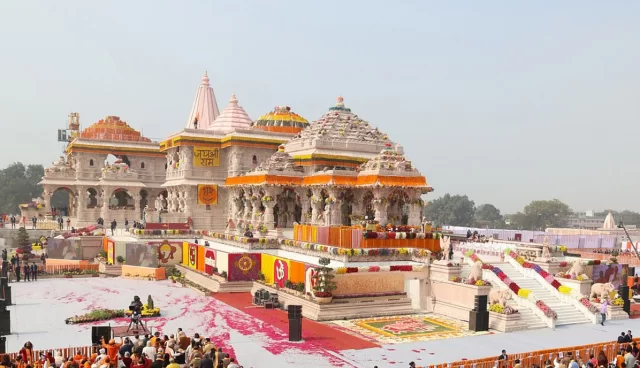
The journey begins in Ayodhya, the birthplace of Shri Ram and the capital of ancient Kosala. Born to King Dasharatha and Queen Kaushalya, Shri Ram grew up alongside Bharata, Lakshmana and Shatrughna. His childhood and education prepared him for a life guided by dharma, responsibility and compassion.
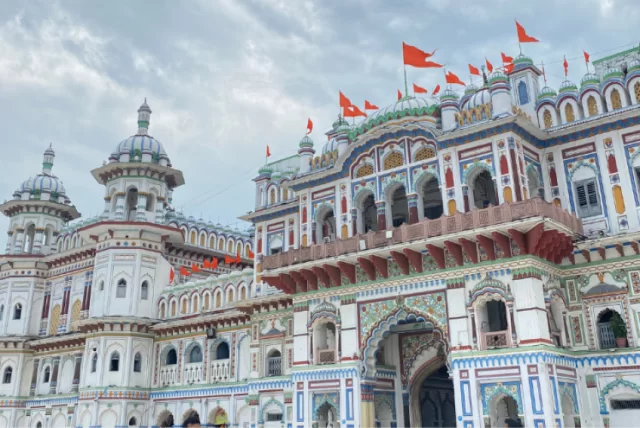
Janakpur in present-day Nepal is traditionally revered as the birthplace of Mata Sita. In the Ramayana, Shri Ram breaks Lord Shiva’s bow, leading to his marriage with Sita. Their union represents devotion, commitment and the responsibilities of married life.
3. Shringverpur, Prayagraj and Chitrakoot — The Beginning of Exile
Shri Ram accepted fourteen years of exile to honour his father’s promise. Mata Sita and Lakshmana accompanied him. Traditions associate their early journey with Shringverpur, Prayagraj and Chitrakoot, where the moving meeting of Bharata and Shri Ram is remembered.
4. Dandakaranya and Panchavati — Life in the Forest
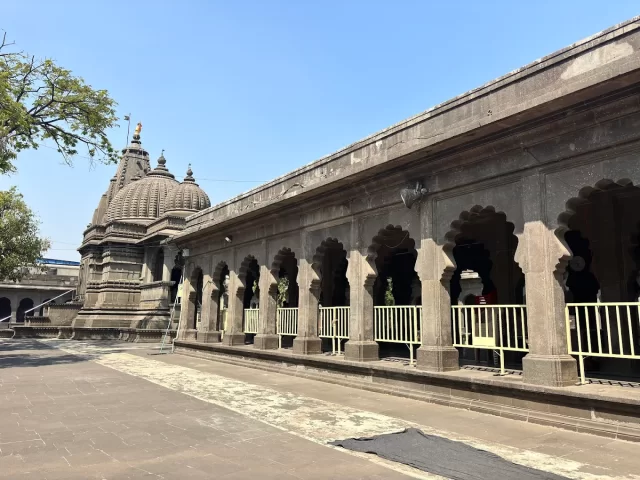
The exile continued through forest regions described in the Ramayana. Panchavati, traditionally associated with Nashik, is especially important: the events involving Shurpanakha, Maricha and Ravana’s abduction of Mata Sita change the course of the story.
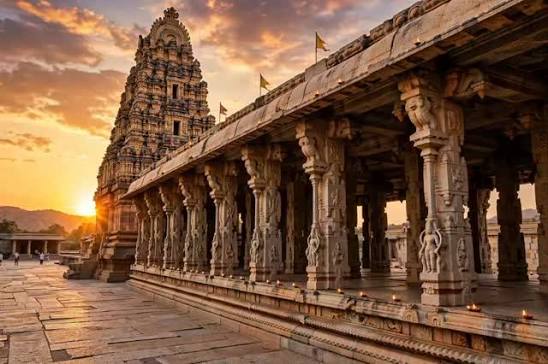
The search for Sita leads Shri Ram and Lakshmana toward Kishkindha, traditionally associated with the Hampi–Anegundi region. Shri Ram meets Hanuman and forms an alliance with Sugriva. This chapter celebrates friendship, loyalty and selfless service.
6. Rameswaram and Lanka — Faith, Courage and Victory
Traditions connect the southern coast with Shri Ram’s campaign toward Lanka and the sea crossing. Rameswaram is especially significant for the tradition of Shri Ram worshipping Lord Shiva. The conflict with Ravana culminates in the rescue of Mata Sita and the victory of dharma over adharma.
After the events in Lanka and the completion of exile, Shri Ram returns to Ayodhya with Sita and Lakshmana. His homecoming and coronation symbolise hope, righteous leadership and the restoration of dharma. Diwali is associated with this return in widely followed traditions.
Locations associated with the Ramayana can vary between textual and regional traditions. This guide distinguishes traditional associations from verified present-day temple identities.
Pilgrimage stops
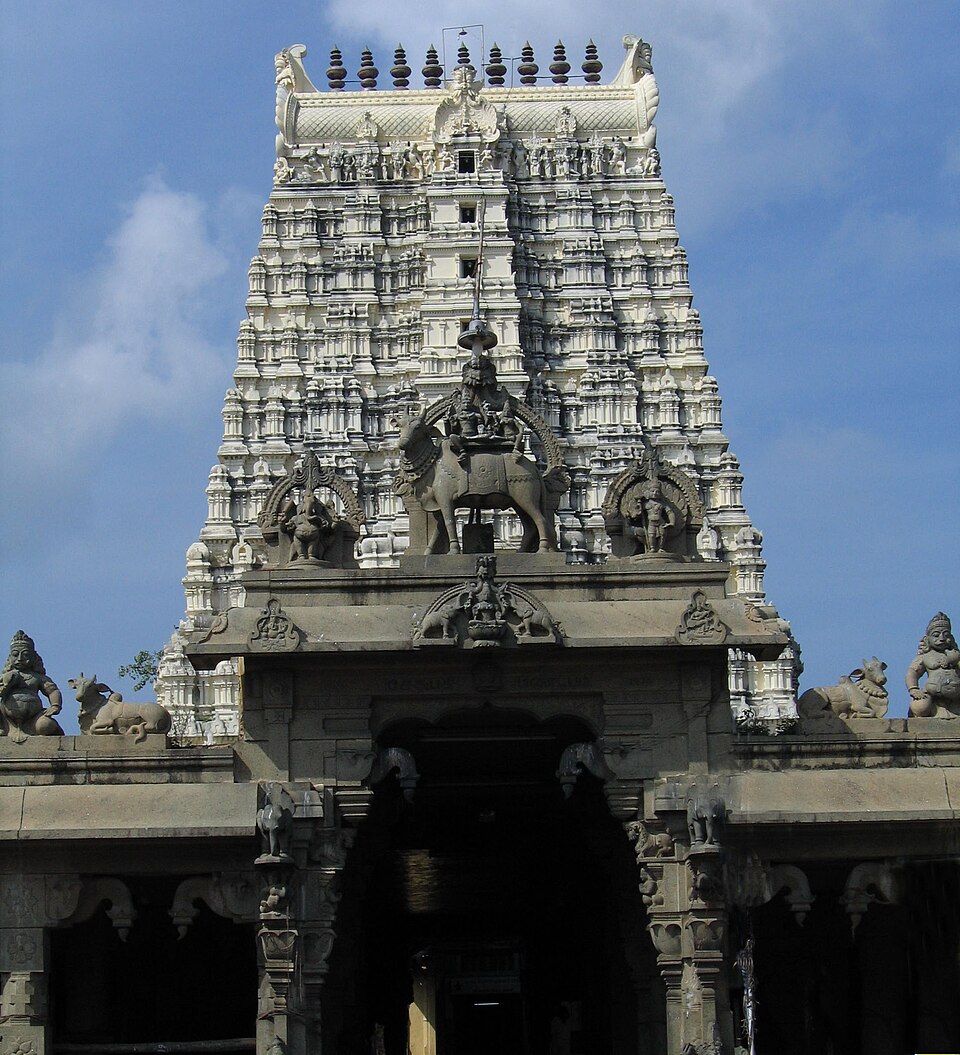
Follow the main journey from Ayodhya to Rameswaram. Additional Ram temples and traditional locations are linked in the chapters above.