Follow Shri Krishna from Mathura and Gokul through Vrindavan, Govardhan, Dwarka and Kurukshetra, with devotional stories and temple links.
3 publicly available stops
The sacred journey of Shri Krishna
From Mathura to Gokul, Vrindavan, Dwarka and Kurukshetra
Shri Krishna Yatra follows the sacred geography remembered in the Bhagavata Purana, the Mahabharata and living Vaishnava traditions. The story begins in Mathura, where Shri Krishna is born to Devaki and Vasudeva during the rule of Kansa. Vasudeva carries the infant across the Yamuna to Gokul, where Yashoda and Nanda raise him. The childhood accounts of butter stealing, protecting the people of Vraja and playful companionship with the gopas and gopis are cherished expressions of divine love. Vrindavan, the Yamuna and Govardhan are central to these traditions, including the lifting of Govardhan Hill and the devotion associated with Radha and Krishna.
The narrative then returns to Mathura, where Shri Krishna confronts Kansa. Later traditions connect him with the western city of Dwarka, remembered as his royal home. In the Mahabharata, Shri Krishna acts as guide and charioteer to Arjuna at Kurukshetra, where the Bhagavad Gita teaches duty, wisdom and devotion. Pilgrims follow these places to understand Krishna's life not simply as a route but as a journey through childhood affection, bhakti, responsibility and spiritual insight. The locations below are associated with these episodes through scriptural and regional traditions; modern temple identities and travel routes should not be treated as a historically verified itinerary.
1. Mathura — Why Krishna Was Born
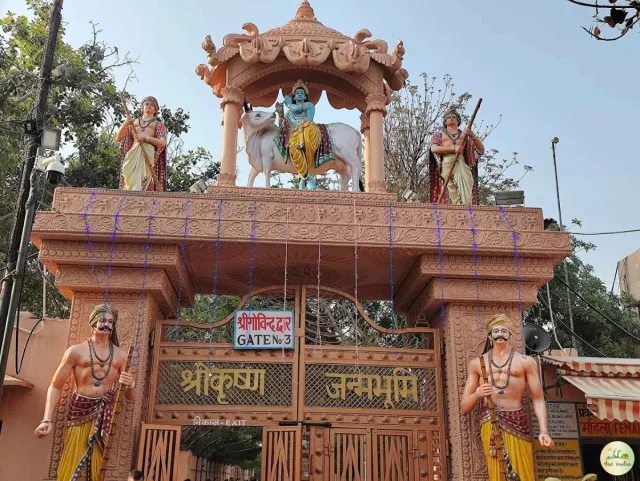
In the Bhagavata Purana tradition, Kansa hears a prophecy that a child of his sister Devaki will bring about his downfall. He imprisons Devaki and her husband Vasudeva. Krishna is born in Mathura on the eighth night of the dark fortnight, celebrated as Krishna Janmashtami. Vasudeva carries the newborn across the Yamuna to protect him, while the infant daughter born to Yashoda is brought to Mathura. Devotees remember this episode as the appearance of Vishnu in the form of Krishna to protect dharma and confront tyranny. Shri Krishna Janmabhoomi is the principal pilgrimage association in Mathura; the modern shrine should not be confused with a verified archaeological reconstruction of the narrative.
Gokul is associated with the infant Krishna growing up in the household of Nanda and Yashoda, away from Kansa’s threat in Mathura. Vaishnava accounts describe Yashoda’s affection, Krishna’s playful butter stealing and his protection of the community from dangers such as Putana. These stories explain why devotees worship Krishna as Bal Gopal or Laddu Gopal: the divine is approached as a beloved child, not only as a distant ruler. Gokul is a pilgrimage place in the wider Braj region, but the episodes belong to sacred tradition rather than a documented chronology. Visitors can explore the Nanda–Yashoda tradition and the devotional geography of Braj without assuming every locally identified site is historically authenticated.
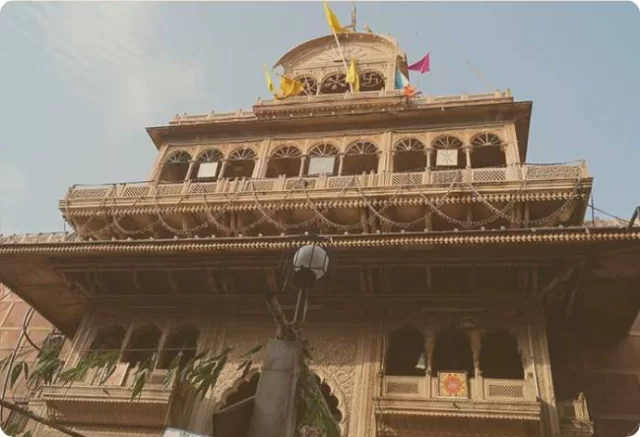
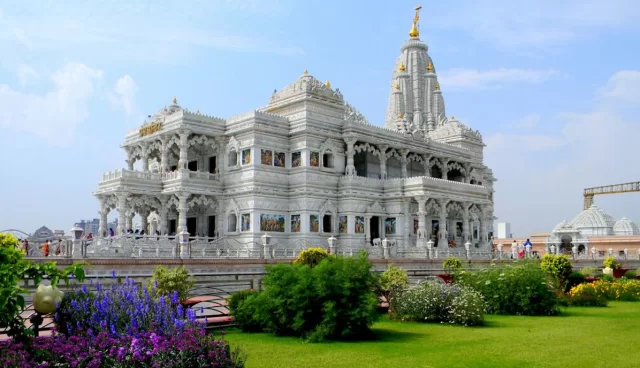
Vrindavan is revered as the setting of Krishna’s youthful pastimes with the cowherds and gopis. In Vaishnava devotional traditions, Radha and Krishna express a love understood as spiritual devotion, not merely a worldly romance. Accounts of the flute, the Yamuna and the rasa-lila invite devotees to reflect on longing, surrender and joy in the divine. Banke Bihari Temple is associated with the worship of Krishna as Banke Bihari; Prem Mandir presents Radha–Krishna devotion through a modern temple complex. Their present buildings belong to different periods and traditions. Pilgrims should distinguish the scriptural landscape of Vrindavan from the history and practices of each contemporary mandir.
The Bhagavata Purana recounts Krishna encouraging the people of Vraja to honour Govardhan, the cows and their own sustaining landscape rather than performing a ritual solely to appease Indra. Indra, angered, sends destructive rain. Krishna lifts Govardhan Hill to shelter the community and its cattle until the storm ends. Devotees interpret the episode as a teaching about humility, care for nature and the protection of those who seek refuge in the divine. Govardhan Puja and Annakut celebrate this tradition. Govardhan Parikrama is a major devotional practice around the sacred hill; visitors should respect local customs, weather and walking conditions. This is a sacred narrative, not a claim that the event can be independently dated.
According to Krishna traditions, Kansa’s attempts to eliminate Krishna continue after the child is taken to Gokul. When Krishna and Balarama return to Mathura, the confrontation culminates in Kansa’s defeat. The episode represents an end to Kansa’s oppressive rule and the release of Devaki and Vasudeva. Its religious meaning centres on restoring justice and protecting the vulnerable. Pilgrims often connect this chapter with Krishna Janmabhoomi and Mathura’s wider Vaishnava heritage. The narrative should be presented as received sacred tradition, while individual temple histories and archaeological claims require separate evidence.
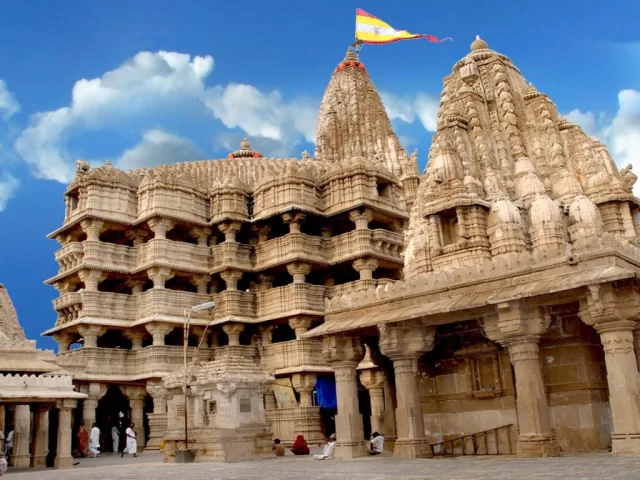
Dwarka, on the Gujarat coast, is revered in Krishna traditions as his later royal city. Accounts in the Mahabharata and other Vaishnava literature associate Krishna with the Yadavas and the responsibilities of leadership, diplomacy and protection. Devotees worship him as Dwarkadhish, the Lord of Dwarka. This chapter contrasts the affectionate Bal Gopal of Braj with Krishna as a guide and leader who must act amid difficult political and moral choices. Dwarkadhish Temple is a major pilgrimage destination. Traditions about ancient Dwarka and the modern city should be distinguished from conclusions about the date or exact location of events in the epic.
7. Kurukshetra — Why Krishna Taught the Bhagavad Gita
In the Mahabharata, the opposing armies gather at Kurukshetra after a long dispute over kingship and justice. Arjuna sees teachers, relatives and friends on both sides and hesitates to fight because of the suffering the battle will cause. Krishna, serving as his charioteer, responds with the teaching known as the Bhagavad Gita. He explains the enduring self, action without attachment to personal reward, disciplined understanding and devotion, while asking Arjuna to examine his duty rather than act from fear or selfishness. Krishna is revered here as the divine teacher and manifestation of Vishnu. Kurukshetra’s pilgrimage tradition includes sites associated with the Gita discourse; their sacred associations should not be presented as independently verified locations of each epic incident.
Temple links are added only when the corresponding Darshn temple page has been verified. Sacred narratives and contemporary pilgrimage locations may have different historical and regional interpretations.
Pilgrimage stops
Published temple pages associated with Shri Krishna's journey. More verified temples will be added as they become available.